
Carbon dioxide
They track changes in concentration caused by breathing from a distance.
MOSLOCK TECHNOLOGY
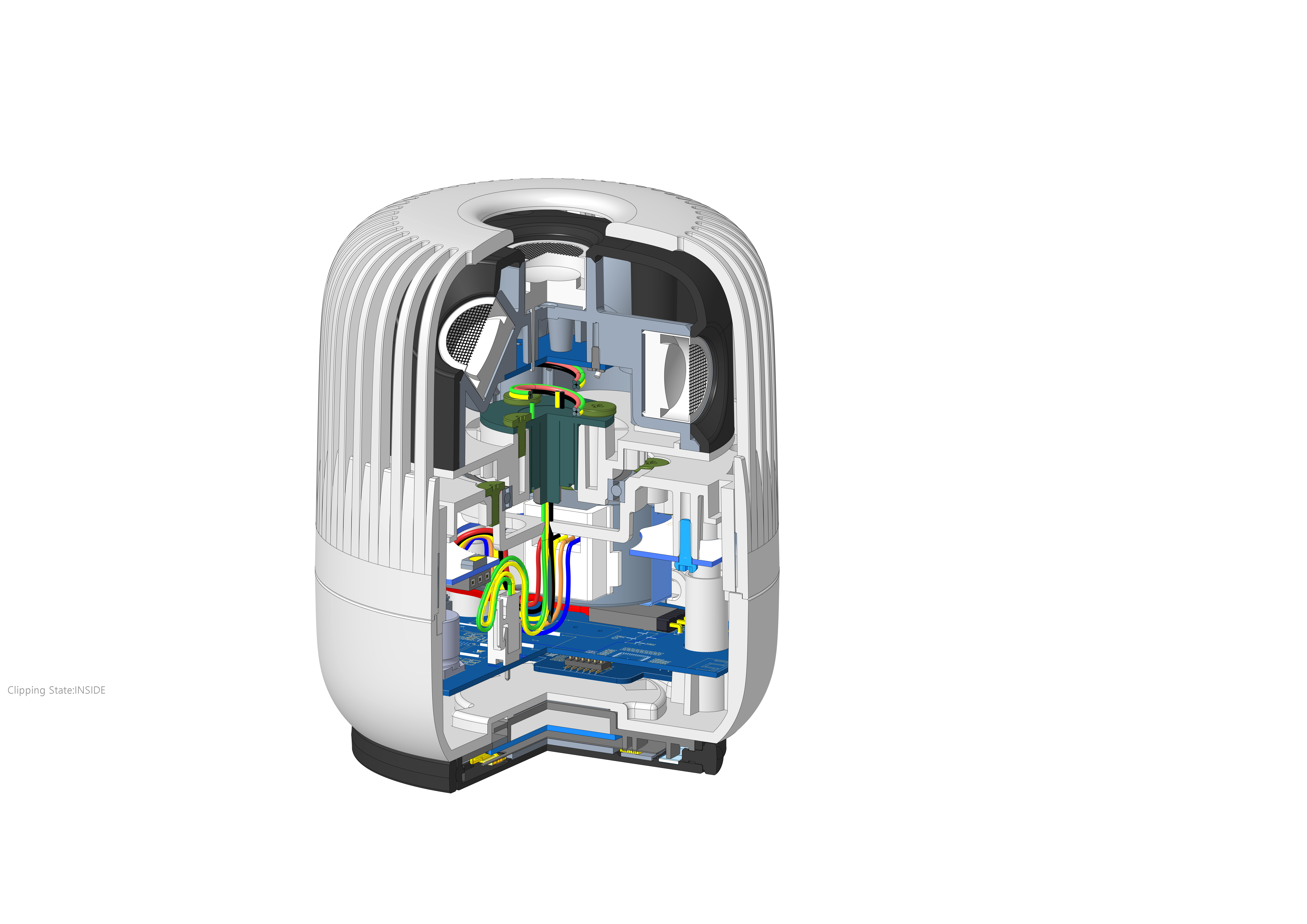
Starting with basic research on mosquito sensory organs, we redesigned sound pressure, space coverage and frequency, then tested the design under practical use conditions.
Professor Hyung Wook KwonDirector, Research Institute of Vector-Borne Diseases · Incheon National University
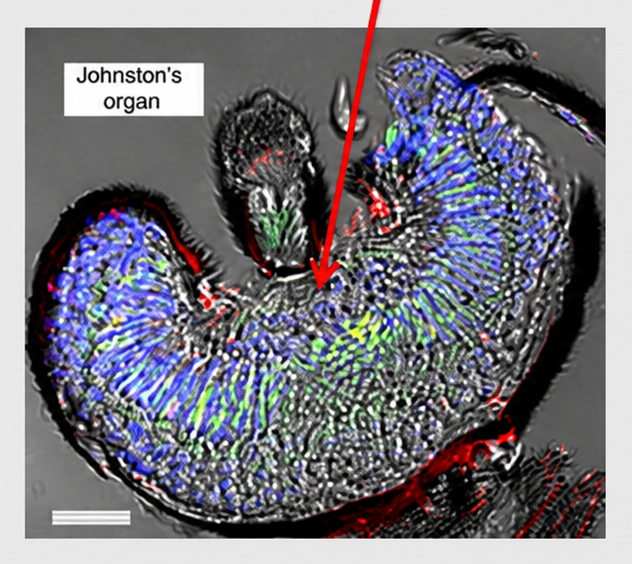
Johnston's organ: the mosquito's hearing organA role comparable to human ears · densely packed auditory neurons
Two conditions for ultrasonic repellent designFrequency selection · sufficient sound pressure
MOSLOCK design and testingIncreased sound pressure · variable frequency · staged tests · three years of development
Nearly 20 years of research
Professor Hyung Wook Kwon has used neuroscience to trace how insects respond to sounds and odors.
Using mosquitoes and honeybees as key models, he studies how sensory signals lead to behavior. The Research Institute of Vector-Borne Diseases at Incheon National University, which he leads, combines neuroscience, mechanical engineering and AI to develop new pest-control technologies.
“I have studied how insects respond to stimuli such as sounds and odors.”

years of research into
insect sensory systems
Researcher interview video
Professor Kwon explains experiments investigating mosquito hearing organs and their responses to ultrasound.
Question · Senses used to find people
They follow carbon dioxide and odors from a distance, then narrow down the target using visual and body-heat cues as they get closer.
Mosquitoes combine several sensory inputs rather than relying on just one. In addition to these four cues, they have an organ that detects air movement and sound.
They track changes in concentration caused by breathing from a distance.
Olfactory receptors identify chemical compounds released by sweat and skin.
After detecting odor cues, they use shapes and movement to narrow down the location.
At close range, they detect temperature differences caused by body heat.
Johnston's organ at the base of the antennae detects the movement of air particles.
Question · Mosquito hearing
It is Johnston's organ, located inside the second antennal segment.
Thousands of mechanosensory neurons convert tiny antennal movements into electrical signals. A study of male Culex pipiens mosquitoes identified at least eight groups of auditory neurons tuned differently within 85–470 Hz.
Read the Journal of Experimental Biology paper ↗ YouTube ShortsDo mosquitoes have ears?
The research examined how ultrasound at sufficient sound pressure affects approach behavior and the CO₂-based host-seeking system.
Comparisons across 50–110 dB conditions reported a tendency toward higher repellency at higher sound pressures.
Movement and approach decreased under certain ultrasound conditions in a CO₂-baited wind tunnel and a two-zone chamber.
Changes in AaGr3 and AAEL009258 expression were observed after 24 hours of exposure to 100 kHz at 90 dB.
Groups exposed to 30 kHz or 100 kHz at 90 dB subsequently showed less behavior directed toward landing on a human hand.
The paper links behavioral changes with gene expression, but does not establish a single gene change as the sole cause of repellency. Some survival tests found no effect of ultrasound exposure on survival.
Question · How responses are detected
By measuring electrical signals and imaging changes in living tissue.
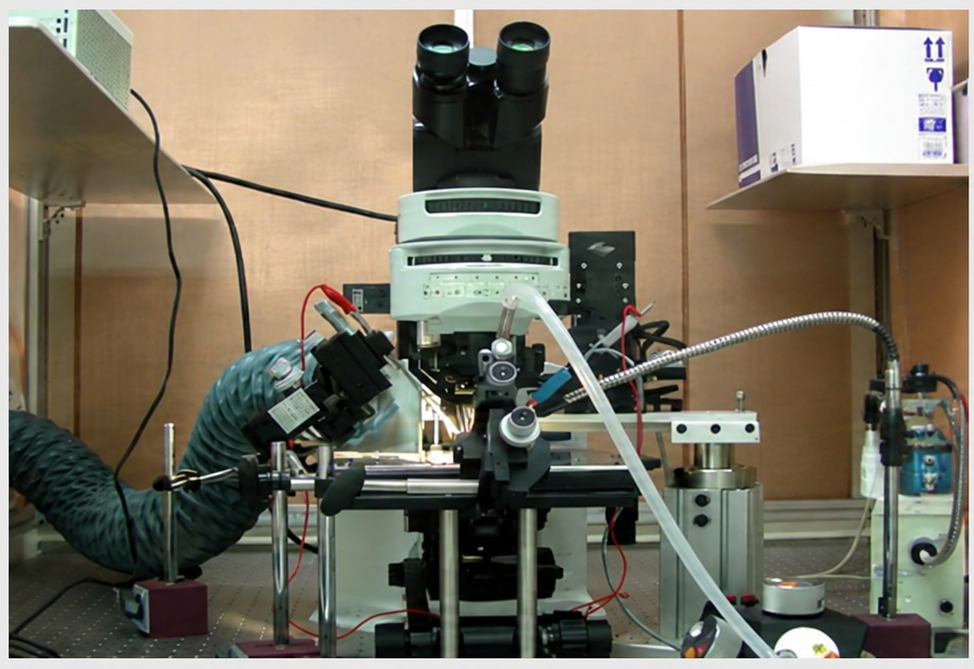
Directly records the electrical activity generated by sensory neurons when stimulated.
Observes changes in stimulated living tissue in real time.
Question · The starting point of the design
Mosquitoes have a hearing organ. The question is whether a meaningful stimulus actually reaches them.
Earlier research reports that sound pressure, as well as frequency, affects repellent responses. MOSLOCK focuses on achieving both conditions within the intended space.
Accounts for response bands that may differ by mosquito species and environment
Accounts for distance and obstacles that weaken sound within a space
Variable-frequency design
Repeated stimuli can lead organisms to gradually ignore them. MOSLOCK aims to delay that adaptation by continuously varying the frequency.
Fixed-frequency output
Repeated identical stimuli → habituation (adaptation)
Variable-frequency output (Multi Sweep)
Changing frequencies to avoid repetition → a design aimed at reducing habituation
Question · Test methods
After behavioral, physiological and molecular observations, testing was extended to conditions closer to actual use spaces.
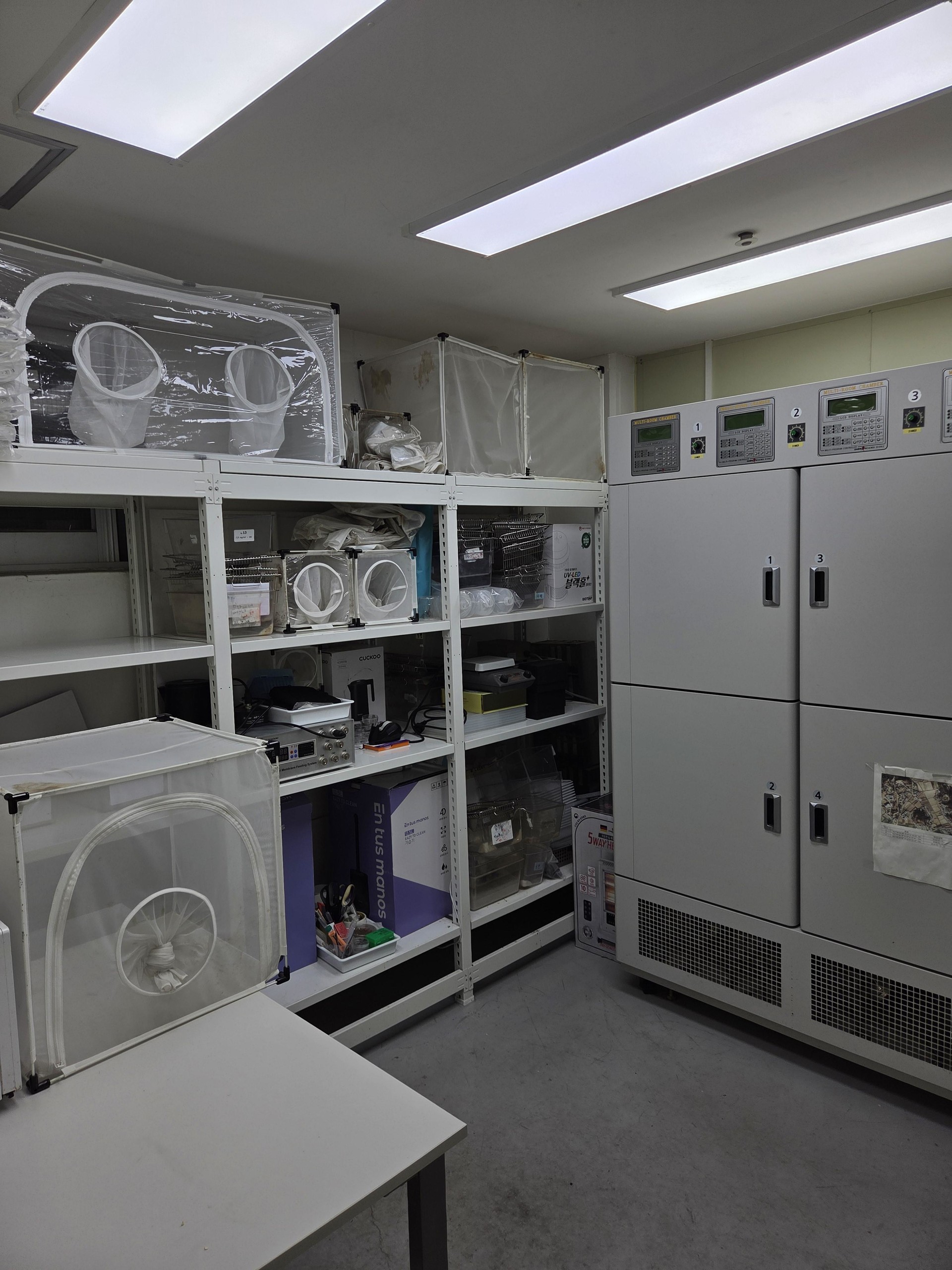
Incensory Co., Ltd. performed the performance tests using mosquitoes reared at Incheon National University's mosquito facility. The samples were MOSLOCK prototypes.
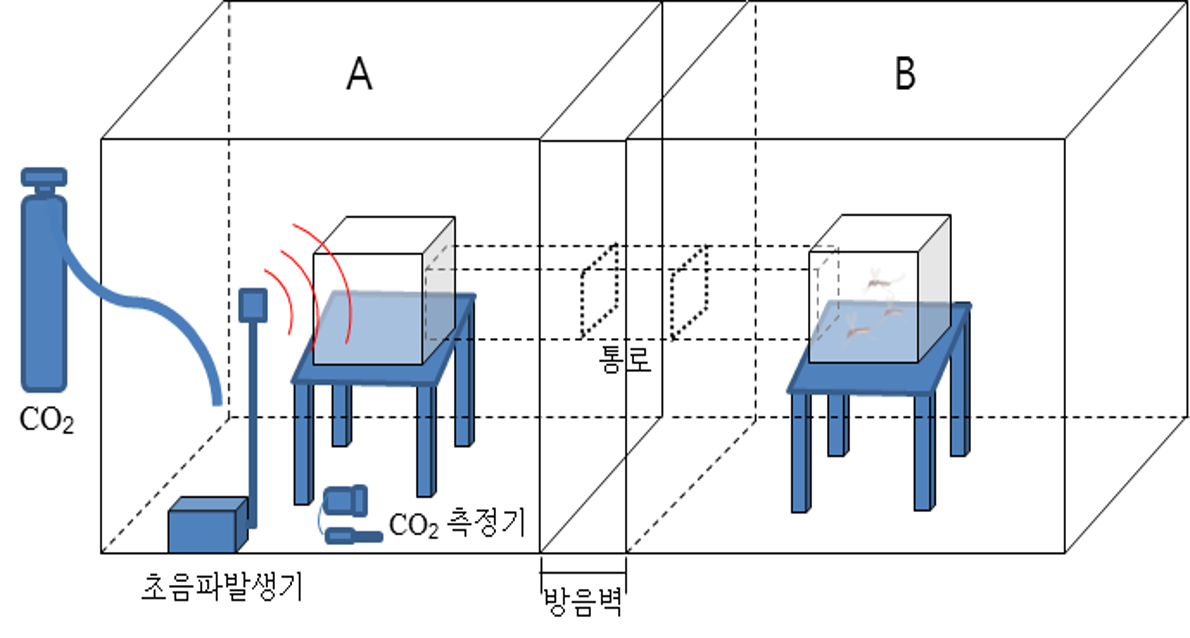
Check basic responses in a controlled indoor environment.
Retest with broader variables under conditions resembling the outdoors.
Check whether outcomes hold in use spaces such as cars and docking tents.
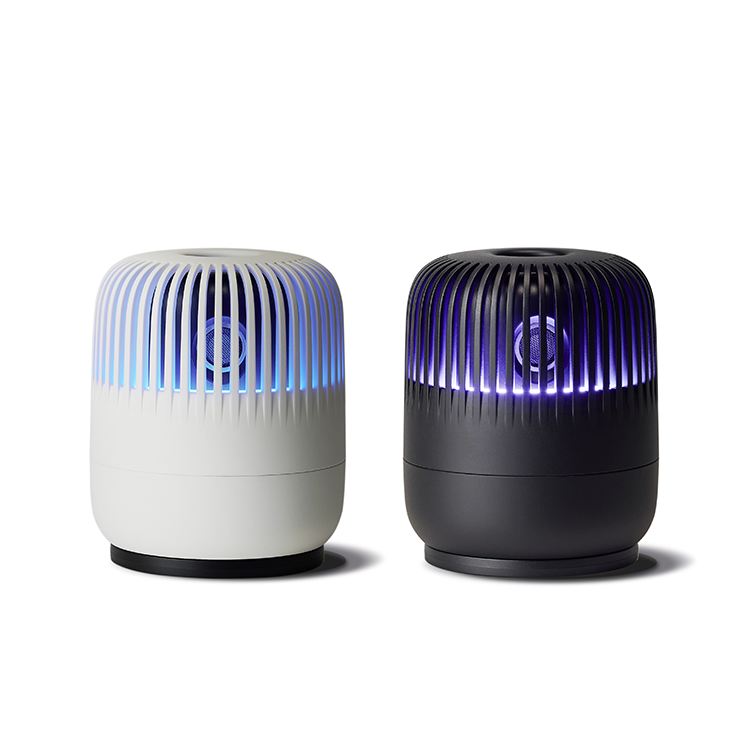 2026 MOSLOCK · WHITE / BLACK
2025-06-25 · OFF 20/18 events → ON 1/0 · reduced blood-feeding events (two participants combined)
2024-08-27–28 · OFF 20 events → ON 1 · reduced blood-feeding events
2024-11-04–05 · attraction behavior suppressed in 10 of 12 mosquitoes
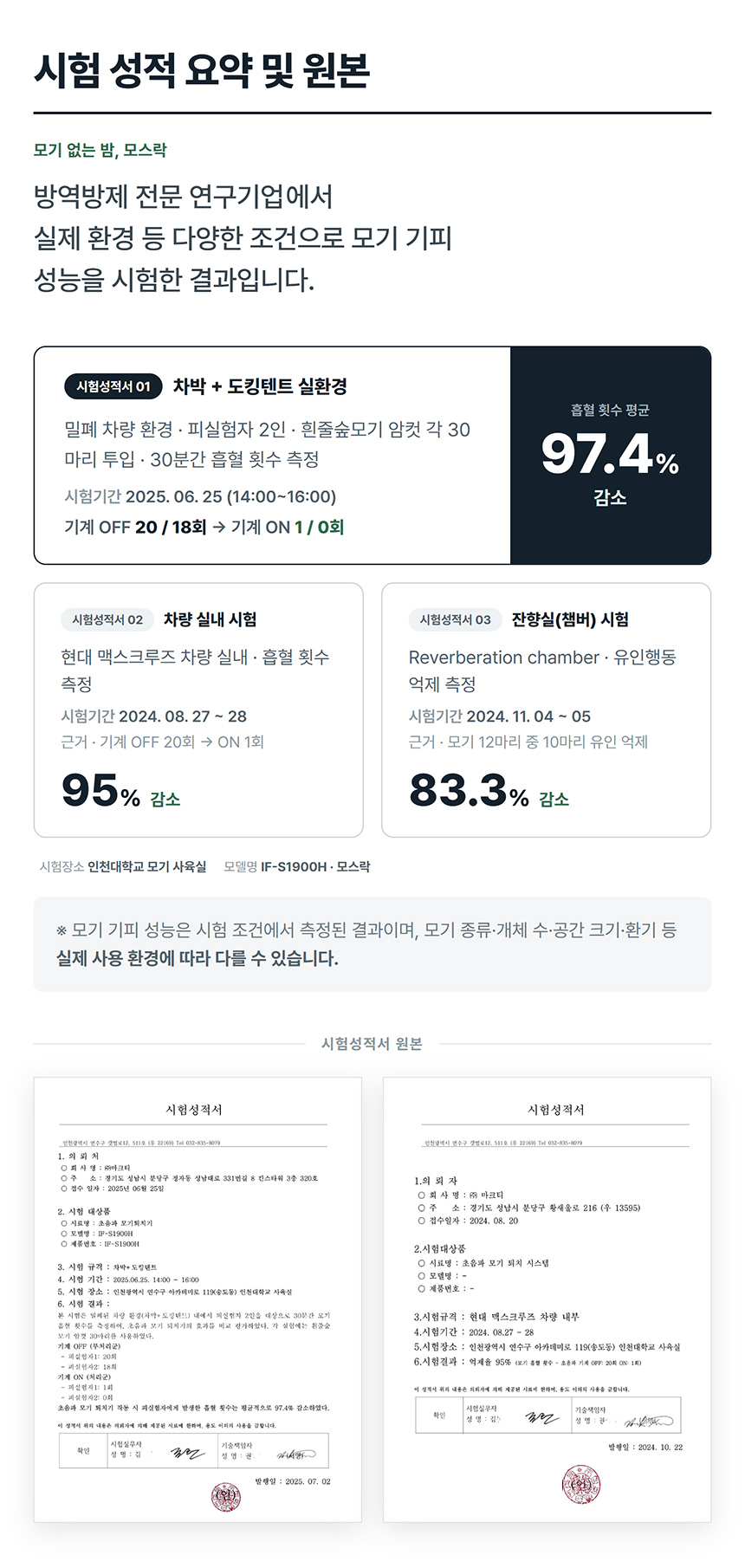
Results were measured under the stated conditions. Actual outcomes may vary with mosquito species, number of mosquitoes, space size, ventilation, obstacles and placement. Identical performance in every environment is not guaranteed.
Basic research paper · 2021
Basic research analyzing approach behavior, host-seeking behavior and changes in sensory-related gene expression in Aedes aegypti.
Analyzed frequency-tuned auditory neuron groups in Johnston's organ in male Culex pipiens mosquitoes.
Read the paper via DOI ↗Question · Why three years?
Ultrasound is highly directional and affected by distance and obstacles. Even the same product needs to be reassessed when the space changes.
We repeatedly examined sound-pressure coverage and placement in enclosed bedrooms, cars with many reflective surfaces, and larger, more open docking tents.
Check placement near the head, feet and entry routes.
Check sound-pressure distribution in a compact, irregular interior.
Check effective coverage with wind and open sections.
Practical placement guidance
Place it near the area mosquitoes approach, without large objects in front. Sound is easier to manage in partially enclosed spaces than in wide-open ones.
YouTube ShortsWhere should you place MOSLOCK?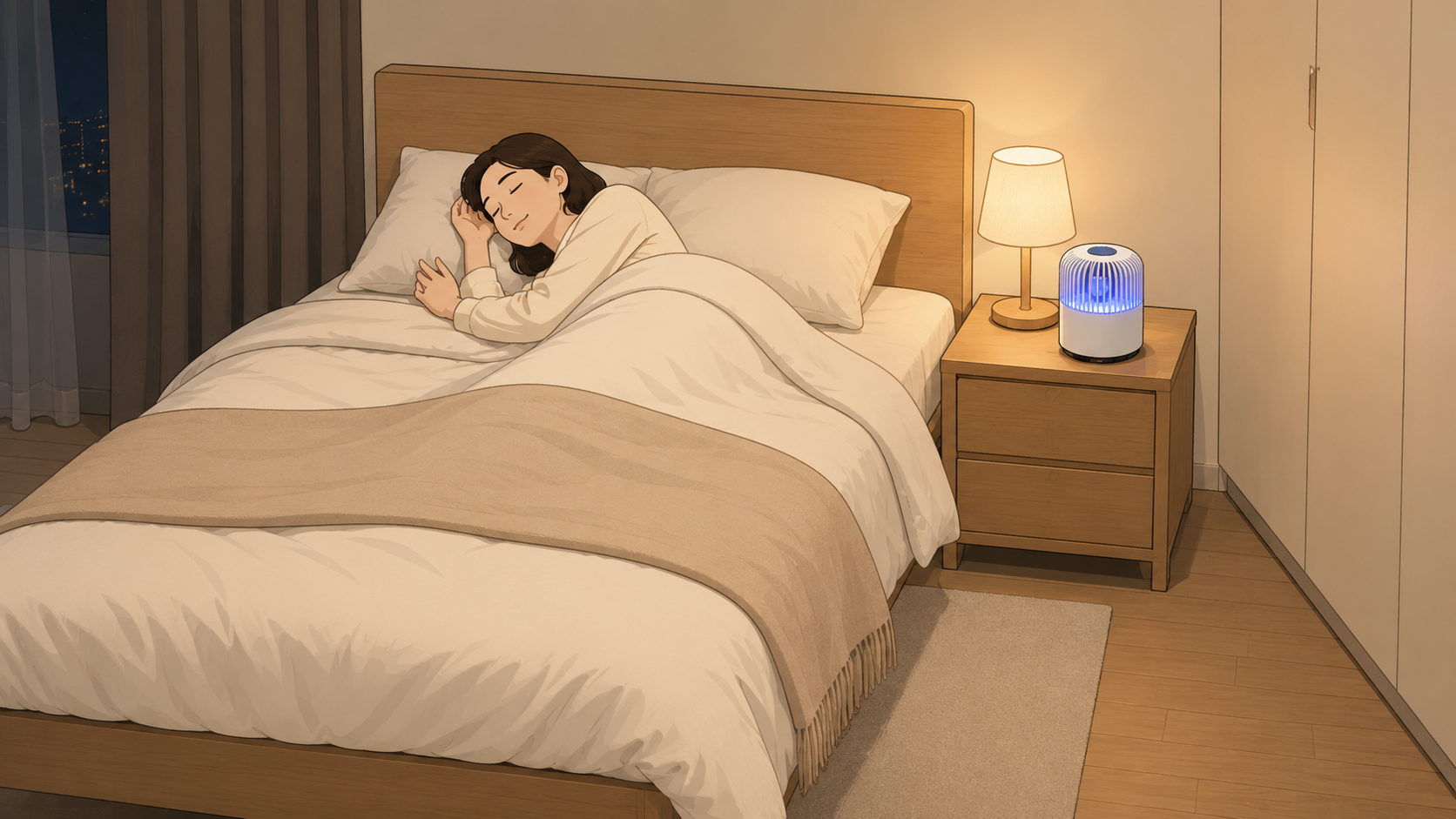
Professor Kwon's personal-protection research at Incheon National University
Research into personal protection using physical rather than chemical stimuli continues, aiming to reduce insecticide resistance and impacts on non-target insects.
Some screenshots, customer reviews and test reports are Korean originals. Translated captions explain their context.