
A night when you shared a room yet seemed to be the only one bitten. Knowing the cues mosquitoes use can offer another perspective. Rather than attributing it to one body type or odor, explore several cues and your surroundings.
The many cues mosquitoes follow
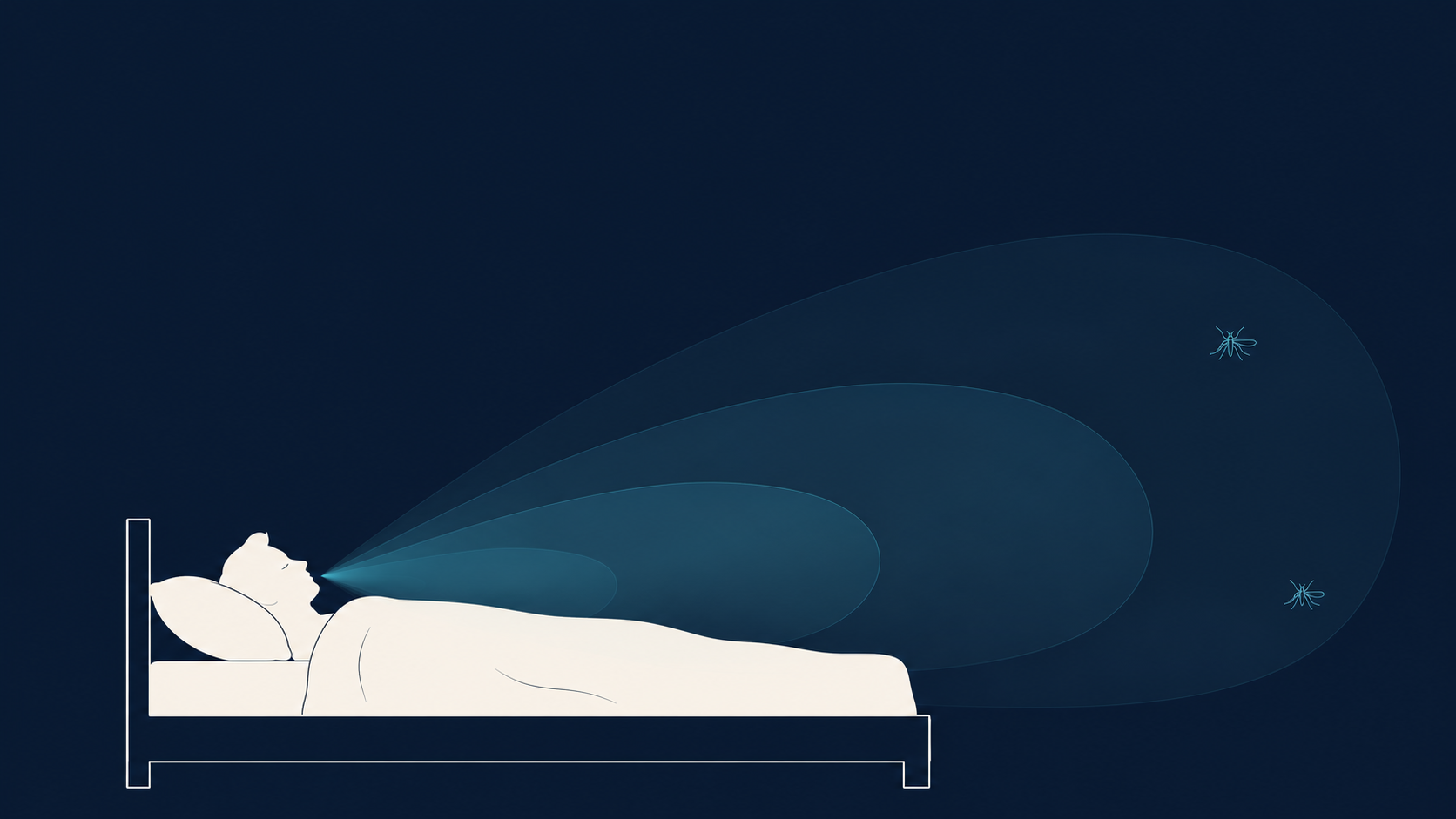
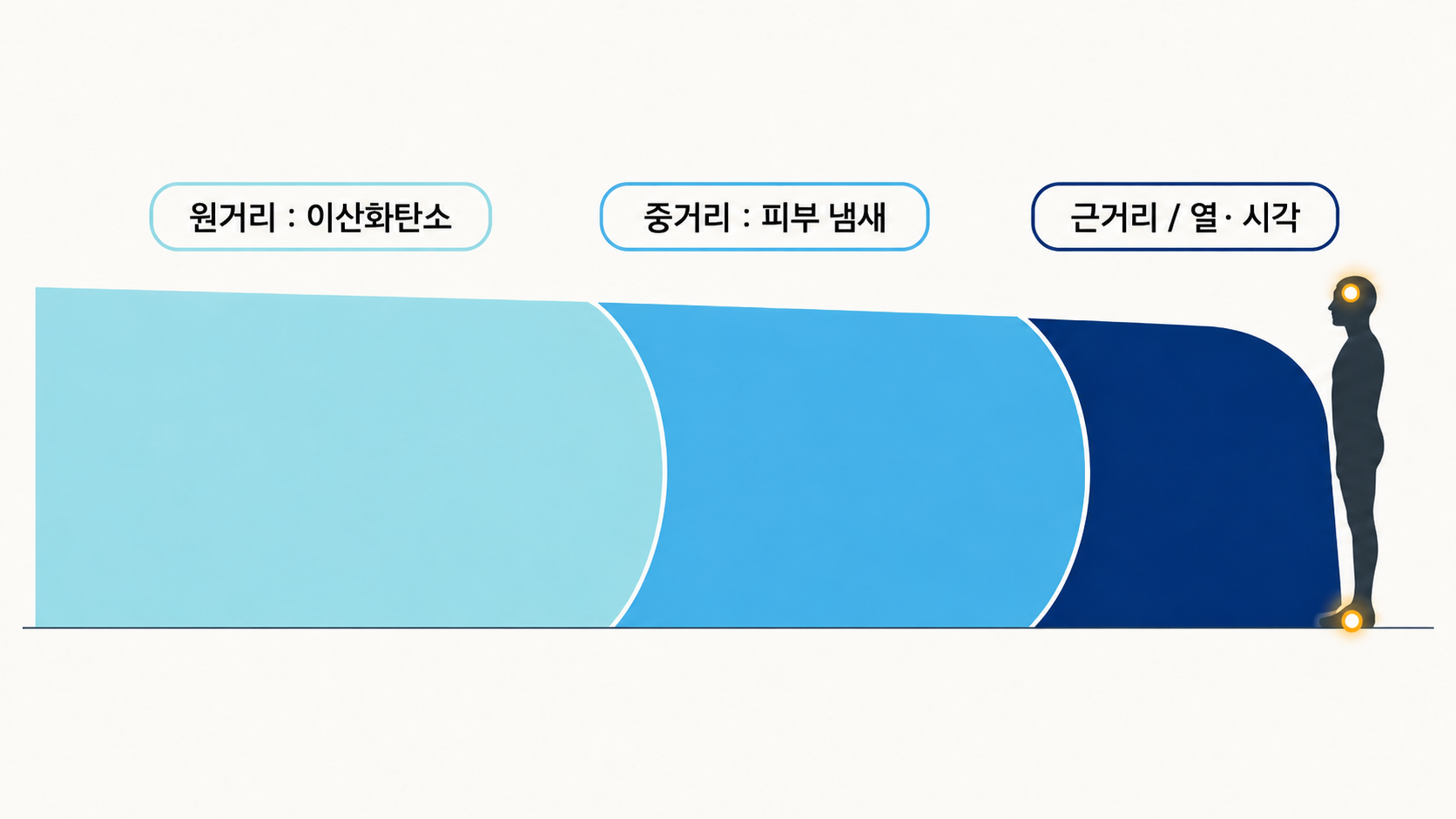
Carbon dioxide from breathing, odors released by skin, and nearby heat and visual cues: research describes mosquitoes using these together to locate hosts. Not every species follows the same sequence at the same distances every time.
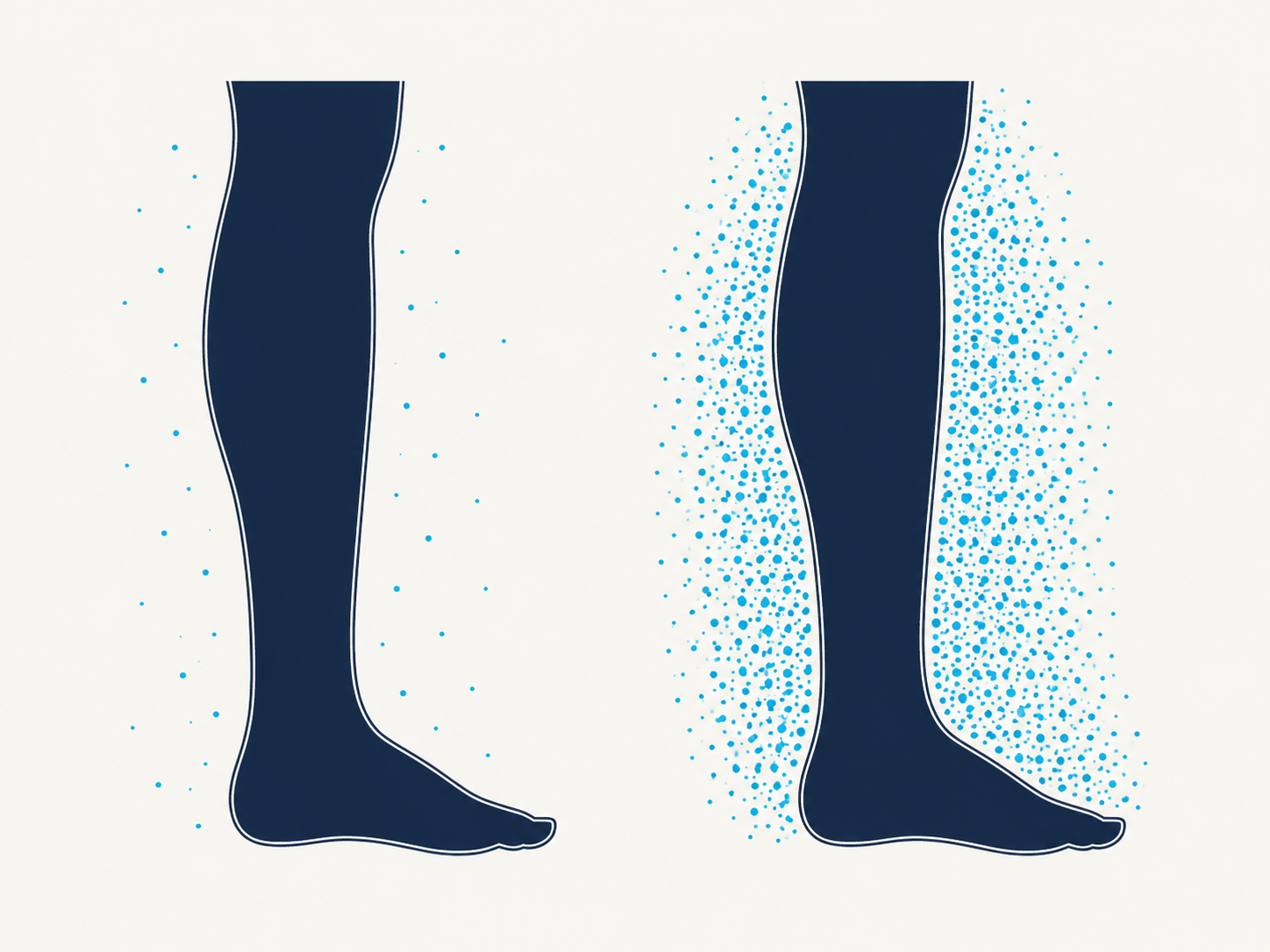
Individual differences in skin odor are also studied. A 2022 Cell paper studied Aedes aegypti and reported differences in attraction between people, associated with levels of skin-derived carboxylic acids. These findings should not be generalized to every species or every person's reason for being bitten.
Individual differences discussed in the interview
Professor Hyung Wook Kwon's interview discusses children not noticing approaching mosquitoes, and how preferred body areas can vary by species. The images below quote the original interview.


A bite's location alone cannot identify its cause. Exposed skin, window screens, surroundings and mosquito species can all matter. Before concluding that you have a 'mosquito-attracting constitution,' check your environment.
Five checks before bedtime
We have adapted the attached checklist into a simple environment check. Responses are used only on this screen, not saved or sent to a server. No score is used to assess health or whether you need a product.
Download the original self-check PDF ↓
The original PDF is titled 'self-diagnosis,' but it is not a medical diagnostic tool. Results cannot establish the cause of bites or predict product effectiveness.
Materials and sources
- Why am I the one mosquitoes bite? — related Naver content.
- De Obaldia et al. (2022), Differential mosquito attraction to humans is associated with skin-derived carboxylic acid levels, Cell.
- van Breugel et al. (2015), Mosquitoes use vision to associate odor plumes with thermal targets, Current Biology.